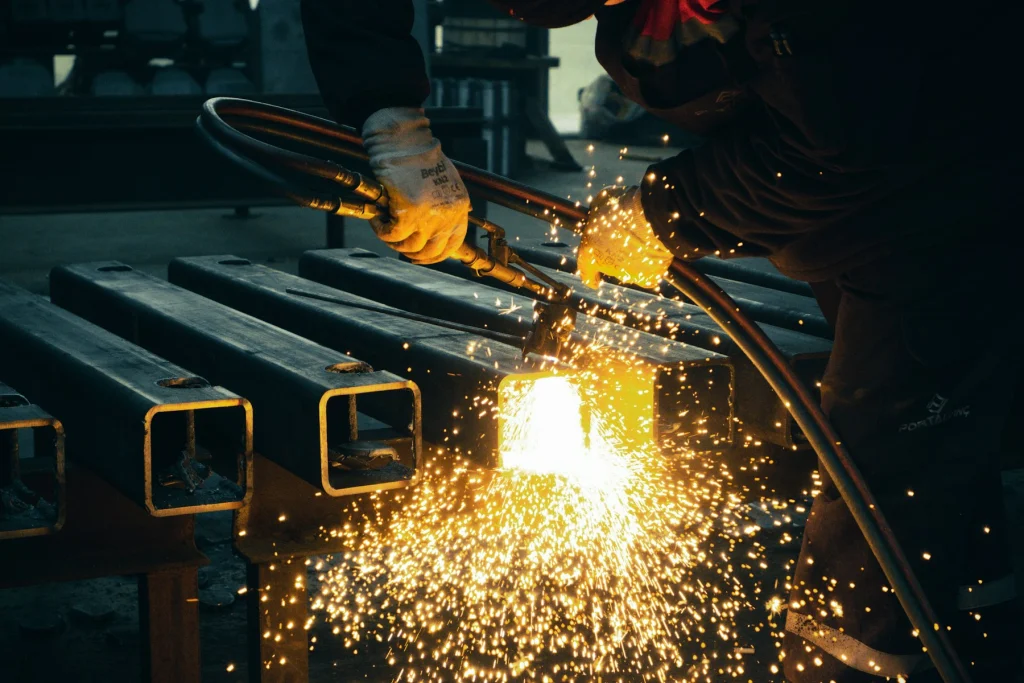
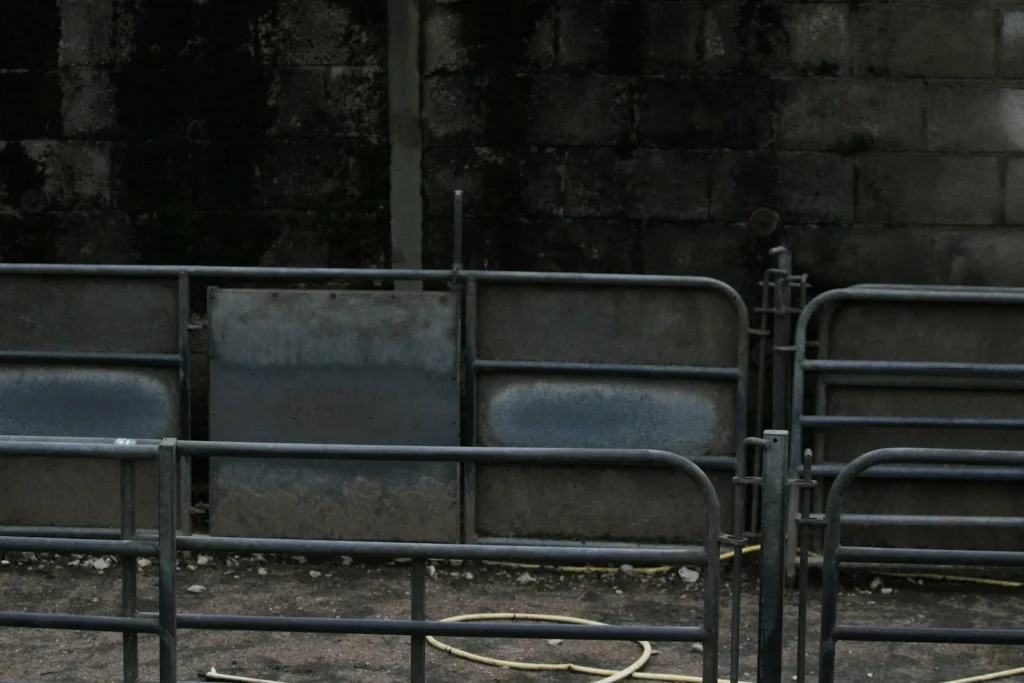
Cattle pen repair means welding the posts, panels, alleys, crowding tubs, chutes and gates of a working facility back into shape where they stand. Fort Worth Mobile Welding does it on site for ranchers across Tarrant, Parker, Johnson, Hood and Wise counties, with a self-powered rig and pipe stock, so nothing gets hauled. The rule is simple: fix why each piece failed, not just the crack, and book it weeks before working day. Quotes are free and written.
Quick answer: A lasting cattle pen repair fixes the cause, not just the weld. Re-weld panels all the way around, add gussets where posts keep cracking, splice and cap rotted posts, re-set leaning posts in concrete and rebuild worn hinges. Schedule the work a few weeks before you gather so new concrete has time to cure.
Pens need work before you gather?
Send photos of each problem spot and the property location, and we will plan a repair day around your cattle.
Why do cattle pens and working alleys break?
A sorting alley gets hit every time cattle move through it, often by stressed animals pushing hard. Over a few years, that adds up in predictable ways:
- Side load on post welds. A cow pushing sideways loads the welds where rails meet posts, and welds that were only tacked crack first.
- Rust at the ground line. Manure and standing water sit where posts enter the ground, and uncapped posts rot from inside.
- Posts that move. Expansive clays such as Houston Black, the official state soil of Texas, swell when wet and shrink in drought, which pushes gate and fence posts out of plumb. Panels attached to a leaning post crack at the welds.
- Gates and hinges. Hinge pins wear, tabs crack and latches stop lining up.
- Torn sheeting. Sheeted alley and tub sides that were stitch-welded too lightly tear loose when an animal kicks or rubs them.
- Equipment strikes. A tractor or a trailer backing up to the chute bends more steel than cattle do.
A panel that keeps cracking at the same post usually needs a gusset, a heavier post or a mid-rail support, not a bigger bead.
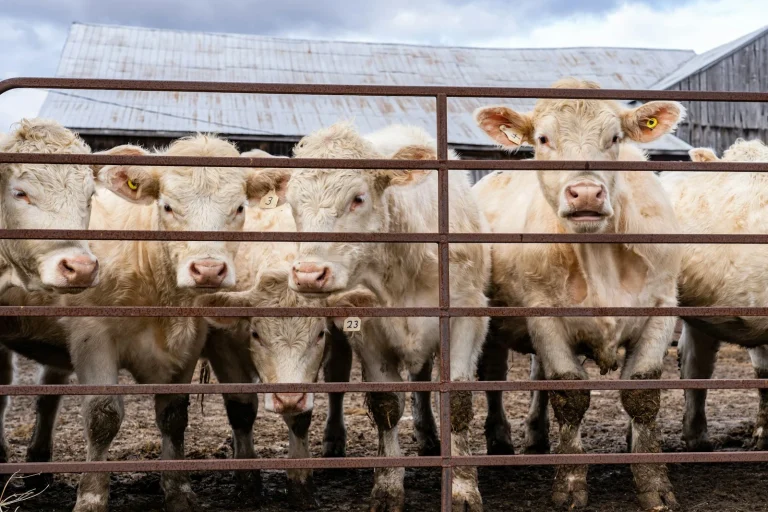
What does a lasting repair look like for each part of the pen?
The same pieces fail on most pens. These are the main repair options on our ranch and farm welding visits.
| Option | Best for | Watch out for |
|---|---|---|
| Re-weld all the way around, add a gusset | Panels cracked loose at a post from side load on a tack weld | If the post itself is leaning, the new weld cracks again |
| Splice or sleeve and cap the post | Posts rotted off at the ground line with sound pipe above | Rusted pipe is thinner than it looks, so cut back far enough |
| Re-set the post in concrete or add a brace | Leaning posts, racked panels and sagging crowding tub gates | Concrete needs time to cure before panels take load |
| Rebuild or replace the section | Alleys or tubs with stacked old repairs or widespread rot | Costs more and may take two visits |
Posts and panels
Most North Texas pens are built from used oilfield pipe, commonly 2-3/8 or 2-7/8 inch, with sucker rod, smaller pipe or continuous panels for rails. It carries mill scale and rust, so we grind to bright metal at every joint and weld with stick electrodes like E6010 or E7018 or self-shielded flux-core, which handle imperfect surfaces and wind far better than MIG in an open pen.
The 60 and 70 in E6010 and E7018 stand for 60,000 and 70,000 psi minimum tensile strength. Rotted posts are cut back, spliced or sleeved, and capped.
Sorting alleys and single-file alleys
A single-file alley that has spread a few inches lets cattle turn around, and one that has pinched in jams big cows. We check width along the length, square up posts that have walked and add spreaders where the design allows. Sheeted sides get solid stitch welds and, where needed, a backing rail.
Crowding tubs
If the center hinge post of a crowding tub is undersized or set shallow, the sweep gate sags and drags. A deeper footing or heavier pipe fixes what new hinges alone will not.
Squeeze chutes, headgates and loading chutes
We repair the steel around a manufactured squeeze chute or headgate: the alley tie-in, the frame where it bolts down and cracked frame welds. Internal linkages are usually best served with the maker’s parts. Loading chutes get new cleats and a straightened ramp frame, and our livestock trailer repair guide covers floors and hitch welds.
How do pen gates and hinges get fixed so they stop sagging?
Most sagging pen gates trace back to one of three things: the hinge post has moved, the pins and barrels have worn, or the frame has racked because it never had a diagonal brace. Welding a new hinge onto a leaning post just resets the clock. A lasting fix might mean re-setting the post, heavier hinges with grease fittings or a diagonal brace on the gate. Our gate and fence repair page goes deeper on posts and hinges.
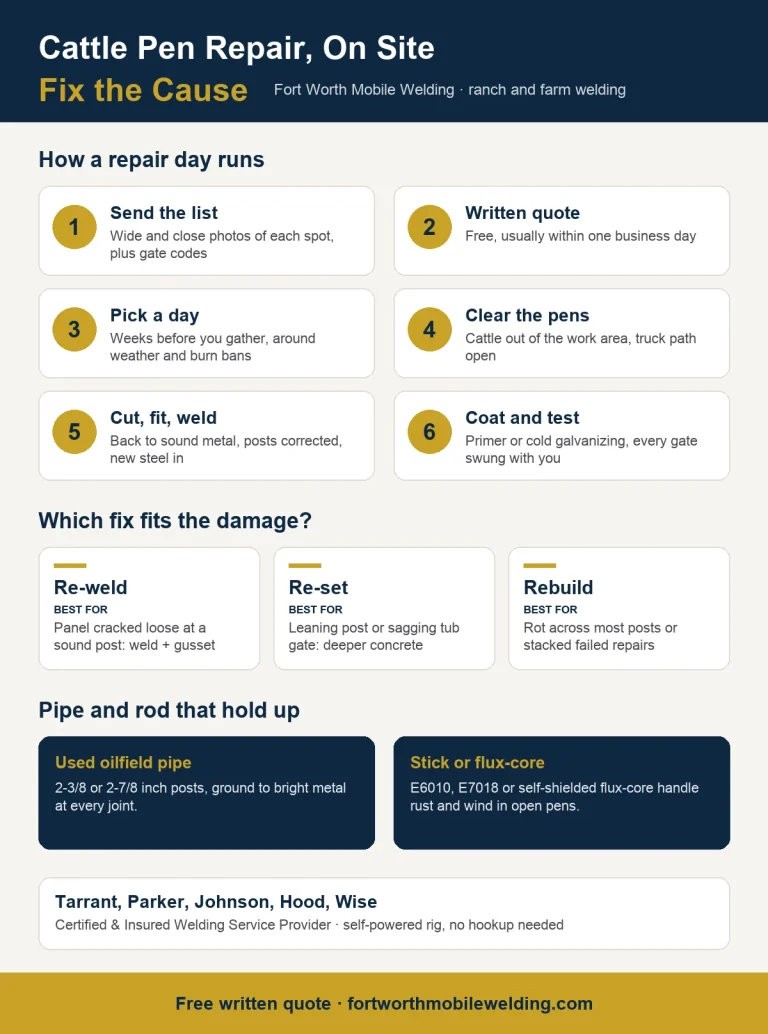
How does a pen repair day work with a mobile welder?
- Send the list. Wide and close photos of each problem spot, the property location and any gate codes, through the quote form.
- Get a written quote. Free, usually within one business day.
- Pick a day. We schedule around your working calendar, the weather and any county burn restrictions, ideally a few weeks before you gather.
- Clear the pens. Cattle are moved out of the pens and alleys being worked on, and the truck has a path close to the work.
- Cut out and fit. Damaged steel is cut back to sound metal, posts are corrected and new pipe or sheet is fit.
- Weld and coat. Joints are welded, and fresh steel gets primer or cold galvanizing so it does not flash rust overnight.
- Test it together. We walk the repairs with you, swing every gate, check latches and pick up scrap and rod stubs.
Want one visit that covers the whole list?
Send photos of every problem spot and your working dates, and get a free written quote, usually within one business day.
When should you schedule pen repairs?
Book pen work a few weeks ahead of spring working, fall weaning or shipping. Concrete is specified by its 28-day compressive strength, so fresh footings should not carry full panel loads in the first few days.
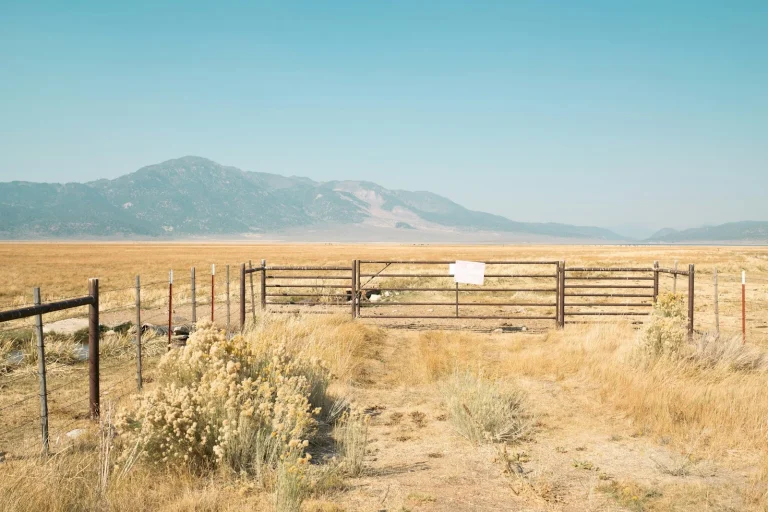
Dry grass around pens ignites easily. The Keetch-Byram Drought Index, which Texas A&M Forest Service tracks by county, runs from 0 in saturated soil to 800 in extreme drought. Under Texas Local Government Code Section 352.081, a county burn ban order expires after 90 days unless the commissioners court adopts a new one. Check your county on the Texas A&M Forest Service burn ban page.
OSHA rules under 29 CFR 1910.252 require a fire watch to stay at least 30 minutes after welding ends wherever combustibles within 35 feet make one necessary. We clear or wet down the area, keep extinguishers at hand and watch after the last weld, as the OSHA standard describes. Our guide on getting your property ready for a mobile welder covers fire safety and access.
Should you repair old pens or build new ones?
Repair makes sense when the layout works and the steel is mostly sound. A rebuild starts to make sense when:
- Posts are rotted at the ground line across most of the facility, not just in a few spots
- Cattle balk or pile up at the same corner every time, or the pens were built for a smaller herd
- Previous repairs are stacked on top of each other and none of them hold
New corrals, alleys and tubs are welded on site under our custom fabrication work. Often the answer is in between: keep the good sections and rebuild the alley and tub. Tap each post near the ground with a hammer first, since a dull thud means thin pipe.
What drives the cost of cattle pen repair?
There is no honest flat rate for pen work. These factors move the written quote:
- How far the property is from Fort Worth and how close the truck can get to the pens
- How many repairs share one setup, since extra repairs add welding time but not another drive
- How much steel gets replaced, and if you supply pipe or we bring it
- The condition of the existing steel, since badly rusted pipe has to be cut back further
- Whether posts have to be re-set in concrete, and ground conditions on the day
Why trust Fort Worth Mobile Welding with your working pens?
Fort Worth Mobile Welding is a Certified & Insured Welding Service Provider with a self-powered rig, so we never need your power. We run stick, flux-core, MIG and TIG, and the engine-drive welder doubles as the generator for grinders and lights.
Fresh steel gets primer or cold galvanizing before we leave, scrap and rod stubs get picked up, and scope changes are discussed before they happen. Read more about Fort Worth Mobile Welding.
Get your pens ready before working day
Send photos and your property location for a free written quote, usually within one business day.
Where does Fort Worth Mobile Welding repair cattle pens?
Fort Worth Mobile Welding is based in Fort Worth and works ranches across Tarrant County and into Parker, Johnson, Hood, Wise and Denton counties. South of town that includes mobile welding in Cleburne and Johnson County, and west of town, mobile welding in Weatherford and Parker County.
For long fence runs, see ranch pipe fence welding, and for a settled entrance, our cattle guard repair guide.
What do ranchers ask most about cattle pen repair?
It depends on the drive, how many repairs share one visit, how much steel is replaced, whether posts need re-setting in concrete and the condition of the old pipe. Send photos of each spot and the property location for a free written quote, usually within one business day.
Welded repairs can usually take cattle as soon as we finish and the steel cools. Posts set in new concrete are different, because concrete needs time to cure before panels hung from those posts take load. On rebuilds we may set posts on one visit and hang rails later.
It depends on your county order. Some orders allow welding with precautions and others restrict hot work, so check before scheduling. When we weld in dry conditions, we clear or wet down the area, keep extinguishers and water within reach and stay to watch the ground after the last weld cools.
We repair the steel around it: the frame, the bolt-down points, the alley tie-in and cracked frame welds. Internal linkages and moving parts on a manufactured chute are usually best replaced with the maker’s parts, because of their tolerances. If something in the squeeze mechanism has cracked, we tell you honestly whether welding it is appropriate.
We promise a free written quote before work is scheduled, usually within one business day, and no scope changes without talking to you first. Damaged steel is cut back to sound metal, fresh steel gets primer or cold galvanizing, every gate is swung and latched with you, and scrap and rod stubs leave with the truck.
Yes. Ranch work in Parker, Wise, Johnson, Hood and Denton counties is routine for us. Farther-off work is scheduled as a planned trip, often grouped with other repairs in the same area to share the drive. Send the property location and nearest crossroads with your photos.
Written and reviewed by the Fort Worth Mobile Welding team. Last updated: November 19, 2026.