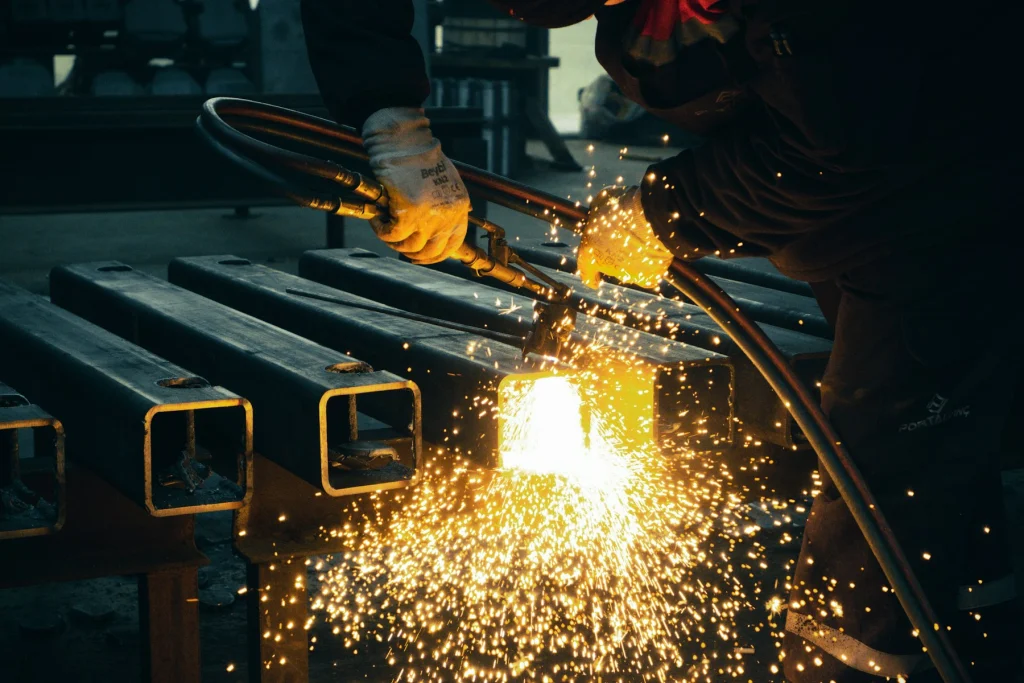
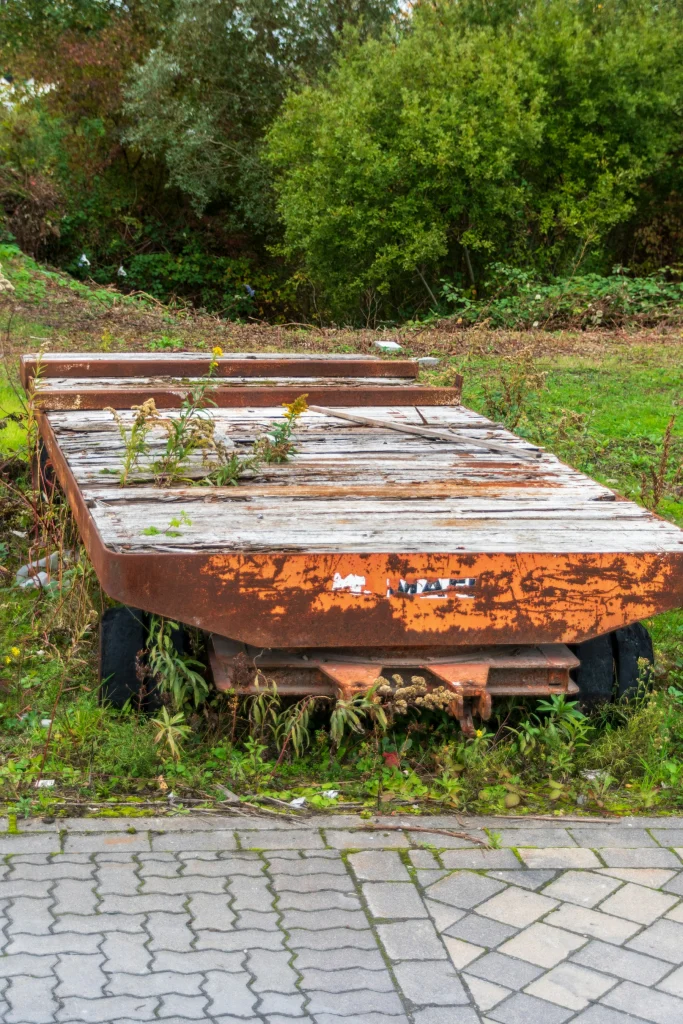
Getting ready for a mobile welder visit takes about an hour and saves far more on the day. Make sure the truck can reach the work on firm ground, clear dry grass and flammables, pen up animals, check for a county burn ban, and send photos and measurements ahead so the right steel comes on the truck.
A mobile welding rig is a shop on wheels, but it still needs a place to park, a safe area to work and a clear idea of the job. Most of the delays we run into have nothing to do with welding: a locked pasture gate, a trailer buried in mud, a dry field that is too risky for sparks, or a repair that turns out to need steel we were not told about. A little preparation fixes all of that. Here is what to do before the truck pulls in, whether you are on a ranch outside Weatherford, a shop yard in Haltom City or a home in Keller.
Key takeaways
- Send photos, rough measurements and the exact location before the visit so the right materials come on the truck.
- The truck needs a firm path and a parking spot within reach of the work; after rain, clay soils can stop a heavy truck cold.
- Clear a fire-safe zone around the repair, and check whether your county has a burn ban that affects outdoor welding.
- Keep animals, kids and pets well away from the arc and the hot steel.
- Tell us about site rules, gate codes, HOA limits or commercial safety requirements in advance.
Step one: describe the job before the visit
The single biggest time saver is good information up front. When we know what we are walking into, we load the right pipe, plate, tube or angle, bring the right rod and wire, and plan the time realistically.
What photos help most
- A close-up of the break, crack or damaged area.
- A wider shot showing the whole gate, trailer, machine or structure.
- A shot of the surrounding area, so we can see grass, buildings and how close the truck can get.
- Any tags or labels showing make, model or capacity on trailers and equipment.
Measurements and materials
A tape measure goes a long way. Pipe diameter (measure around it and divide by about 3.14 if you cannot get calipers on it), rail lengths, gate width, plate thickness, and the size of the channel or tube on a trailer all help us bring matching stock. If you want a particular look, such as matching existing fence pipe, square tube instead of round, or a painted finish, mention it now rather than on the day.
Make a list of the small jobs too
Once the rig is on your property, adding a second or third repair usually costs far less than a separate visit. Walk around before you send the request and note anything else that needs welding: a broken hinge, a cracked feeder leg, a loose trailer fender, a bent pen panel. Put it all in the quote request with photos. Even if you decide to wait on some of it, we can plan the time and steel and give you a price on each item.
Can the welding truck reach the work?
Our rig is a heavy truck carrying an engine-driven welder, gas and oxygen bottles, steel and tools. It has a set length of welding leads, so the closer we can park to the repair, the better. Think about the path from the road to the work.
Ground conditions
The clay soils across much of the Fort Worth area turn slick and soft after a good rain, and a loaded truck can sink where a pickup would not. If the route crosses a pasture or a dirt lot, tell us how it holds up when wet. A gravel drive or a firm route in, even if it is longer, beats getting stuck in a low spot. If weather has made access impossible, we would rather reschedule than tear up your pasture.
Gates, width and overhead clearance
- Unlock or open pasture gates, or send the gate code ahead.
- Check that gate openings and lanes are wide enough for a full-size work truck.
- Watch for low branches, power lines, carports and overhangs near where the truck will park.
- Move vehicles, trailers or equipment that block the way to the repair.
How far can the leads reach?
Welding leads let us work some distance from the truck, which is how we reach the middle of a fence line or the back of a barn. Still, every extra foot means more cable to run and manage. If the repair is a long way from any spot the truck can reach, tell us the distance so we can plan. On a long fence job, we will often move the truck along the line as we go.
What we bring and what you provide
You do not need to supply power, gas, rod, tools or common steel. The rig carries its own engine-driven welder and generator, oxygen and fuel gas for cutting, grinders, clamps and stock in the sizes we use most. What helps from your side is access, a cleared work area, a water source for fire safety, and decisions on anything that affects the finished result, such as gate swing direction, rail height or paint color. If you already bought materials, like a new coupler, hinges or fence panels, tell us ahead of time so we can confirm they fit the repair. For unusual parts, such as a specific brand of trailer latch or a heavy-wall pipe size we do not normally stock, a heads-up lets us source it before the visit instead of making a second trip.
How do you make a site fire-safe for welding?
Welding throws sparks and molten spatter, and grinding sends a stream of hot particles several feet. In North Texas, with long dry stretches and grass that cures to tinder by midsummer, fire prevention is the most important part of site prep.
Clear the work area
- Mow or clear dry grass and weeds in a wide circle around the repair. Wetting down the ground helps too.
- Move hay, straw, feed sacks, pallets, cardboard and wood scraps away from the work.
- Remove fuel cans, oil, paint, propane bottles and aerosol cans from the area.
- Have a garden hose or a water source available near the work.
Check for a burn ban
Texas counties issue burn bans during dry periods, and some of those orders include specific conditions for welding and other hot work outdoors, such as a cleared area, a water source or a spotter. Check your county’s current order before the visit, or ask us and we will check too. If conditions are extreme, rescheduling may be the right call, and we will be straight with you about it.
Wind, heat and time of day
Wind carries sparks farther than most people expect, and a gusty afternoon in a dry pasture is the worst possible combination. In the hottest months, early-morning starts are safer for everyone: the grass has some dew on it, the wind is often lighter, and the steel is not already too hot to touch from the sun. If your job is in an exposed spot, tell us, and we will try to schedule it for the calmer part of the day.
Tanks and containers
Never let anyone weld on or near a fuel tank, drum or container that has held fuel, oil or chemicals without proper cleaning and purging. Vapors left inside an “empty” tank can explode. If your repair involves a tank, mention it when you send photos so we can plan a safe approach, or advise on replacement.
Animals, kids and bystanders
An electric arc is bright enough to injure eyes at a distance, and the noise of grinders and the engine-driven welder can spook animals. Plan for that.
- Livestock and horses. Move them to a pen or pasture away from the work, especially if we are repairing their fence or gate. A spooked horse near a hot repair is a danger to itself and everyone else.
- Dogs and pets. Keep them inside or tied away from the work area. Hot spatter and freshly welded steel stay hot long after they stop glowing.
- Children and visitors. Ask them to stay back and never look at the arc. If they want to watch, they need proper eye protection and distance.
If the repair is on a pen or fence that holds animals, plan where they will go once the work is done. A freshly repaired gate needs to cool, and paint needs time to set, so a backup pasture or a temporary panel for the rest of the day keeps everyone out of trouble.
Commercial and job site preparation
On business properties and construction sites, a few extra details matter. Through our structural and commercial welding work, we are used to coordinating with superintendents and facility managers.
- Share any site safety orientation, PPE or badging requirements ahead of time.
- Let us know if your facility uses hot work permits, fire watches or sign-offs.
- Arrange access to the work area and a place to park that keeps traffic and customers clear.
- Identify sprinkler heads, smoke detectors, and flammable materials near indoor work.
- Have drawings or engineer’s details on hand for structural repairs.
What happens on the day of the visit?
Once we arrive, we look over the job with you, confirm the scope and the plan, and set up. Setup usually means positioning the truck, running leads, setting the ground clamp, laying out steel, and putting down any screens or fire protection the area needs. Then it is cutting, fitting, welding and finishing.
When the welding is done, we walk the repair with you before we leave. Fresh welds and the steel around them stay hot for a while, so do not let animals back against a repaired gate or fence right away. If the work gets painted, give it time to dry before it sees use. We clean up our offcuts, rod stubs and debris before we pull out.
Mobile welder visit checklist
- Send close-up and wide photos, rough measurements and the exact location.
- Mention any special materials, finishes or matching requirements.
- Confirm the truck can get within reasonable reach of the work on firm ground.
- Open or unlock gates, or share gate codes.
- Check overhead clearance where the truck will park.
- Mow or clear dry grass and move flammables away from the repair.
- Have a hose or water source ready.
- Check your county burn ban status.
- Pen livestock and secure pets away from the work.
- Share site rules, safety requirements or HOA limits ahead of time.
- If digging is involved, such as new posts, have utilities marked through Texas811 first.
Frequently asked questions
Do I need to be home during the mobile welding visit?
It helps to be there at the start to confirm the scope and at the end to walk the finished work. For simple repairs in an accessible area, you may not need to stay the whole time, as long as gates are open, animals are secured and we have a way to reach you. For anything involving decisions on the spot, being present saves time.
What if it rains on the day of my visit?
Light rain does not always stop welding, especially with stick welding, but heavy rain, lightning and standing water create safety problems and can make access impossible on clay ground. If the forecast looks bad, we will talk with you about rescheduling. We would rather move the date than get a truck stuck or weld in unsafe conditions.
Can you weld during a county burn ban?
It depends on the county and its order. Many Texas burn bans address welding and hot work specifically, often allowing it with conditions like a cleared area, a water supply or a spotter. We check the current order and follow it. In very dry, windy conditions, we may recommend waiting even if the work is technically allowed.
How much space does the welding truck need?
Roughly the space of a full-size work truck, plus room to open the toolboxes on both sides and run leads to the work. We do not need a perfectly flat spot, but it should be firm enough that a heavy truck will not sink. Tell us about tight driveways, low clearances or soft ground ahead of time so we can plan.
Should I take anything apart before you arrive?
Usually no. We prefer to see the problem as it is. If something obviously needs to come off, like a mat in a trailer or a bucket on a loader, we will tell you when we review the photos. Removing loose items, clearing debris and cleaning off heavy grease or mud around the repair is always welcome.
A well-prepared site means a faster, safer visit and a better repair. For specific jobs, see our guides on pipe fence welding for ranches and cattle guard installation and repair, or browse our gate and fence repair service. We also serve ranches and acreage in surrounding towns such as Weatherford and Granbury. When you are ready, send photos, measurements and the job location through the Get a Quote form, and we will reply with a free written quote and a time to bring the rig out.